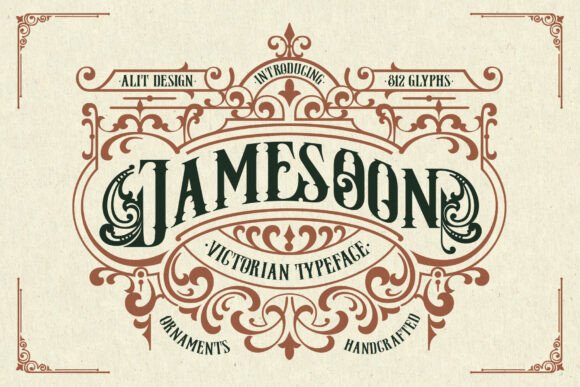
Jamesoon Victorian Font for Timeless Editorial Design
There’s a quiet magic in choosing the right font for a publication—it’s the moment when design and content align, and the reader feels welcomed. Recently, I found myself redesigning the header of a lifestyle blog, and after testing several display fonts, Jamesoon Victorian Font stood out with its refined elegance and timeless appeal.
Jamesoon for Lifestyle Blog Headers and Editorial Branding
Jamesoon is a beautifully crafted serif typeface that evokes the opulent charm of the Victorian era. As a display font, it carries a strong visual presence, making it ideal for blog headers, magazine covers, or any editorial layout that demands attention. Its rhythm and character create a mood of sophistication, which perfectly complements a lifestyle blog focused on curated experiences and elegant living.
I used Jamesoon for the main headline of the blog, pairing it with a clean sans serif font for body copy. The contrast created a balanced hierarchy that guided the reader effortlessly through the content. It wasn’t just about aesthetics; the readability was surprisingly good for a serif font, especially on screen.
Jamesoon in Recipe Ebooks and Digital Magazines
In my work with recipe ebooks, I’ve often struggled to find a font that balances beauty with usability. Jamesoon, however, offers an elegant solution. Its serifs add warmth and character to titles like “Sunday Roast” or “Herb-Infused Soups,” while still maintaining clarity in digital formats. For a digital magazine layout, I tested Jamesoon as a chapter opener and found that it set a tone of refinement without overwhelming the reader.
The font’s versatility shone through in pull quotes and section headings. When paired with a lighter, more modern font for body text, it created a seamless editorial flow that felt both professional and inviting. This makes Jamesoon an excellent choice for digital magazines, course PDFs, or even printable planners that aim to blend creativity with practicality.
Jamesoon for Wedding Guides and Elegant Printables
A wedding guide requires a font that speaks to romance and celebration, and Jamesoon delivers that with grace. I recently designed a printable wedding planner using this font for title sections and decorative accents. The result was a layout that felt personal yet polished, with each page echoing the grandeur of a bygone era.
What stood out most was how well Jamesoon performed in print. The sharp serifs and consistent stroke weight ensured that the font remained legible even at smaller sizes, making it suitable for detailed guides or event programs. It’s a great option for those creating elegant printables, from wedding invitations to holiday cards.
Jamesoon in Newsletter Graphics and Content Branding
For a recent newsletter redesign, I wanted a font that would elevate the brand identity without being too ornate. Jamesoon fit the bill perfectly. Used sparingly in headlines and call-out boxes, it added a touch of sophistication that aligned with the brand’s image of thoughtfulness and quality.
Its use in newsletter graphics also allowed for creative flexibility. I experimented with subtle variations in weight and spacing to highlight key messages, ensuring that the font supported visual hierarchy without overshadowing the content itself. Whether used in a header or as a decorative element, Jamesoon helped reinforce the publication’s voice and personality.
Considerations for Using Jamesoon in Long-Form Content
While Jamesoon excels in display settings, it may not be the best choice for long-form reading. Its expressive style can feel overwhelming in dense paragraphs or small captions. However, it shines when used for titles, subtitles, pull quotes, or decorative elements—areas where visual impact matters most.
For longer reading, I recommend pairing Jamesoon with a more readable serif or sans serif font. This ensures that the editorial design remains accessible while still allowing the display font to make a statement. Checking for included styles, alternates, and multilingual support before using the font in commercial projects is also essential for consistency across platforms and outputs.